
When to Repair — and When to Replace — Your Wooden Kitchen Utensils
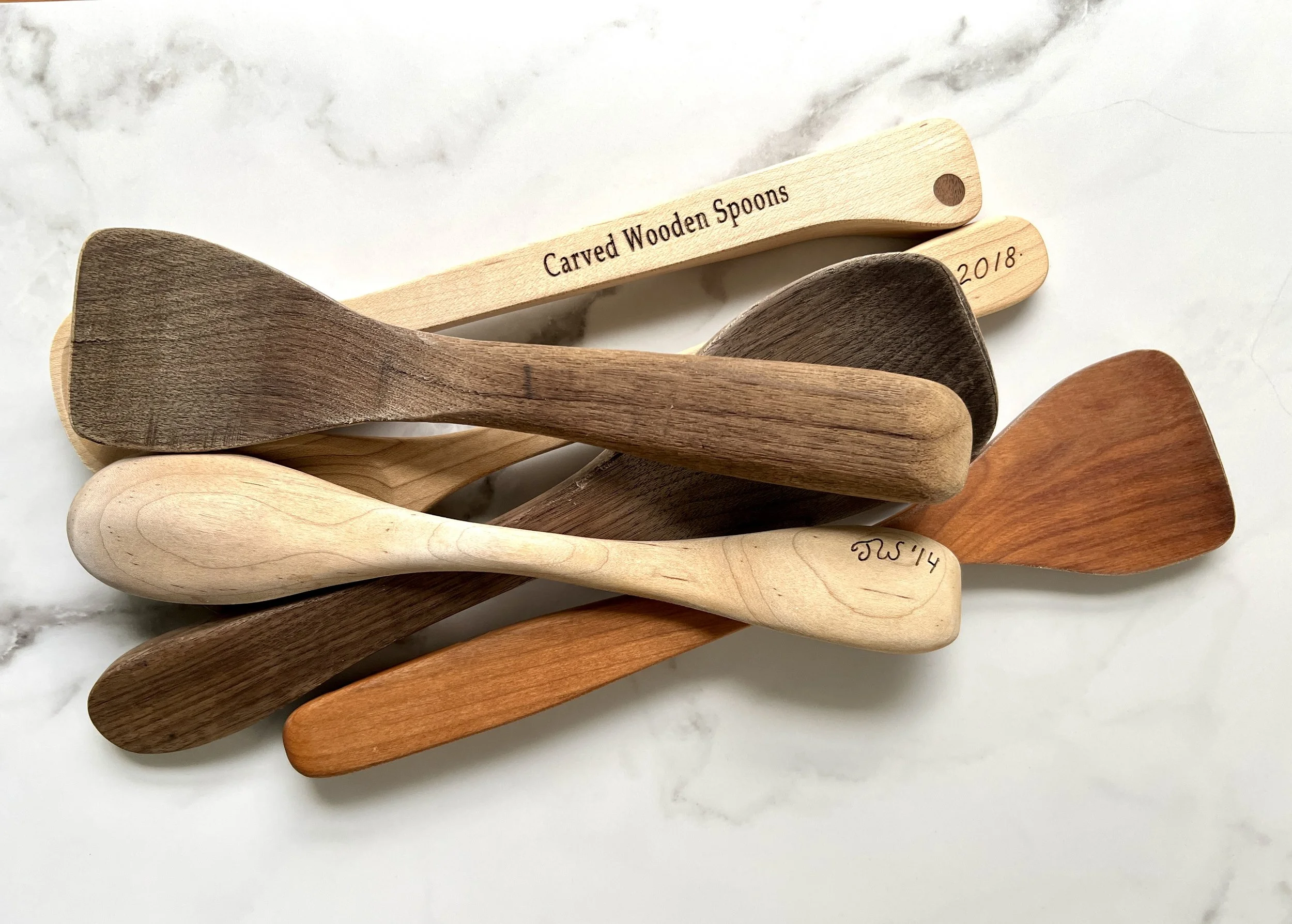
A well-made wooden spoon is built to last. With the right care, a quality hardwood utensil can serve you for a decade or more — sometimes much longer. But even the best wooden tools show wear over time, and knowing the difference between a utensil that needs a little attention and one that's past its prime is worth understanding.
Here's a practical guide to reading the signs, what you can fix at home, and when it's time to let go.
Signs Your Wooden Utensil Needs Attention (But Can Be Saved)
Dryness and Dullness
If your wooden spoon looks faded, feels rough to the touch, or has lost the warm luster it once had, it's almost certainly just dry. Wood needs moisture — specifically, the right kind of moisture. When wooden utensils are washed frequently and not regularly conditioned, they lose their natural oils and begin to dry out.
This is the easiest problem to fix. A thorough oiling with food-grade mineral oil or a beeswax-based conditioner will usually restore the surface in a single treatment. Apply generously, let it soak in overnight, and wipe off the excess. Repeat every few months as regular maintenance.
A dry spoon is not a damaged spoon — it's just a thirsty one.
Minor Surface Roughness or Raised Grain
Sometimes a wooden utensil develops a slightly rough or fuzzy texture on its surface, especially after a period of heavy use or exposure to a lot of moisture. This is raised grain — the wood fibers have swollen slightly and are standing up from the surface.
The fix is simple: a light sanding with fine-grit sandpaper (220 grit works well) followed by a fresh coat of oil. Sand with the grain, not against it, and use a light touch. Once the surface is smooth again and re-oiled, the utensil is as good as new.
Light Staining
Wooden utensils absorb color from strongly pigmented foods — tomato sauce, turmeric, beet, and similar ingredients can leave stains that washing doesn't fully remove. This is cosmetic, not functional. A stained spoon is still a safe and usable spoon.
If the staining bothers you, a paste of coarse salt and lemon juice scrubbed into the surface can help lighten it. Let it sit for a few minutes before rinsing and re-oiling. It won't always return the wood to its original color, but it helps — and over time, a well-used wooden spoon develops a patina that many cooks come to appreciate.
Signs It's Time to Replace Your Wooden Utensil
Deep Cracks or Splits
A small surface check — a hairline crack that doesn't penetrate deeply — can sometimes be stabilized with oil and monitored over time. But a deep crack or split that runs into the body of the utensil is a different matter.
Deep cracks create crevices where food particles and moisture can become trapped. Even thorough washing won't reliably clean inside a crack, which means bacteria can persist. This is the one scenario where a wooden utensil genuinely becomes a food safety concern.
If a crack is deep enough that you can feel it catch your fingernail, or if it runs along a significant portion of the handle or bowl, it's time to replace it.
Splintering
A utensil that's actively splintering is a safety issue — both from a food contamination standpoint and from the risk of splinters ending up in your food. Splintering usually indicates that the wood has dried out severely over a long period, or that it was made from a lower-quality or softer wood to begin with.
Unlike surface roughness, active splintering can't be fully remedied with sanding and oiling. Once wood begins to break down at the fiber level, it will continue to do so. Replace it.
Warping That Affects Function
Some minor warping in a wooden utensil is normal and doesn't affect its usability. But if a spoon has warped to the point where it rocks on a flat surface, sits at an awkward angle in the pan, or has become uncomfortable to hold, it's no longer doing its job well.
Severe warping usually means the utensil was exposed to prolonged moisture — soaked in water, run through the dishwasher repeatedly, or stored in a damp environment. It's a structural change in the wood that can't be reversed.
Persistent Odors
A wooden utensil that has absorbed a strong odor — garlic, fish, and onion are common culprits — and won't release it even after repeated washing and airing out may have absorbed those compounds too deeply into the grain to be fully neutralized.
A baking soda paste or a salt-and-lemon scrub can help with mild odors, but if the smell persists after several treatments, the utensil has likely absorbed too much to recover. Trust your nose here — if you don't want a utensil near your food because of how it smells, replace it.
Mold
If you see black or dark spots that look like mold growth, discard the utensil. Mold can penetrate into the grain of wood and isn't always fully removed by surface cleaning. It can also be difficult to distinguish between mold and deep staining without close inspection — when in doubt, err on the side of caution.
Mold growth almost always indicates that a utensil was stored while still damp, or was exposed to moisture over a long period without drying properly. The fix going forward is making sure wooden utensils are thoroughly dried before storing.
How to Make Your Wooden Utensils Last Longer
The most common reasons wooden kitchen tools wear out prematurely are avoidable with a few simple habits:
Never put wooden utensils in the dishwasher. The combination of heat, prolonged moisture, and harsh detergent is the fastest way to dry out, crack, and warp wooden tools.
Don't soak them. Leaving a wooden spoon sitting in water while you cook is fine for short periods. But soaking utensils for extended periods — or leaving them submerged in a sink full of dishes — accelerates moisture damage significantly.
Dry them promptly after washing. After hand washing, stand or lay wooden utensils where air can circulate around them. Don't let them sit face-down on a wet counter.
Oil them regularly. Every two to three months, condition your wooden utensils with food-grade mineral oil or a beeswax conditioner. This is the single most effective thing you can do to extend their life. (We have a full guide to oiling wooden spoons if you'd like step-by-step instructions.)
Store them in a dry place. A utensil crock on the counter works well — it keeps tools accessible and allows airflow. Avoid storing wooden utensils in a closed drawer right after washing, before they've fully dried.
The Bottom Line
Most wooden utensil problems — dryness, surface roughness, light staining — are easily fixed with a little oil and attention. The issues that warrant replacement are fewer but clear: deep cracks, active splintering, severe warping, persistent mold, or odors that won't clear.
A quality hardwood utensil, properly cared for, shouldn't need replacing often. When it does, it's worth investing in something made well — because the better the tool, the longer it lasts, and the less often you go through this process.
Carved Wooden Spoons are handmade in Brunswick, Maine from sustainably sourced New England hardwoods. Every piece is shaped and finished by hand, built for daily use and long-term keeping. Shop the collection