
Best Wood Types for Kitchen Utensils: A Guide to What Works and Why
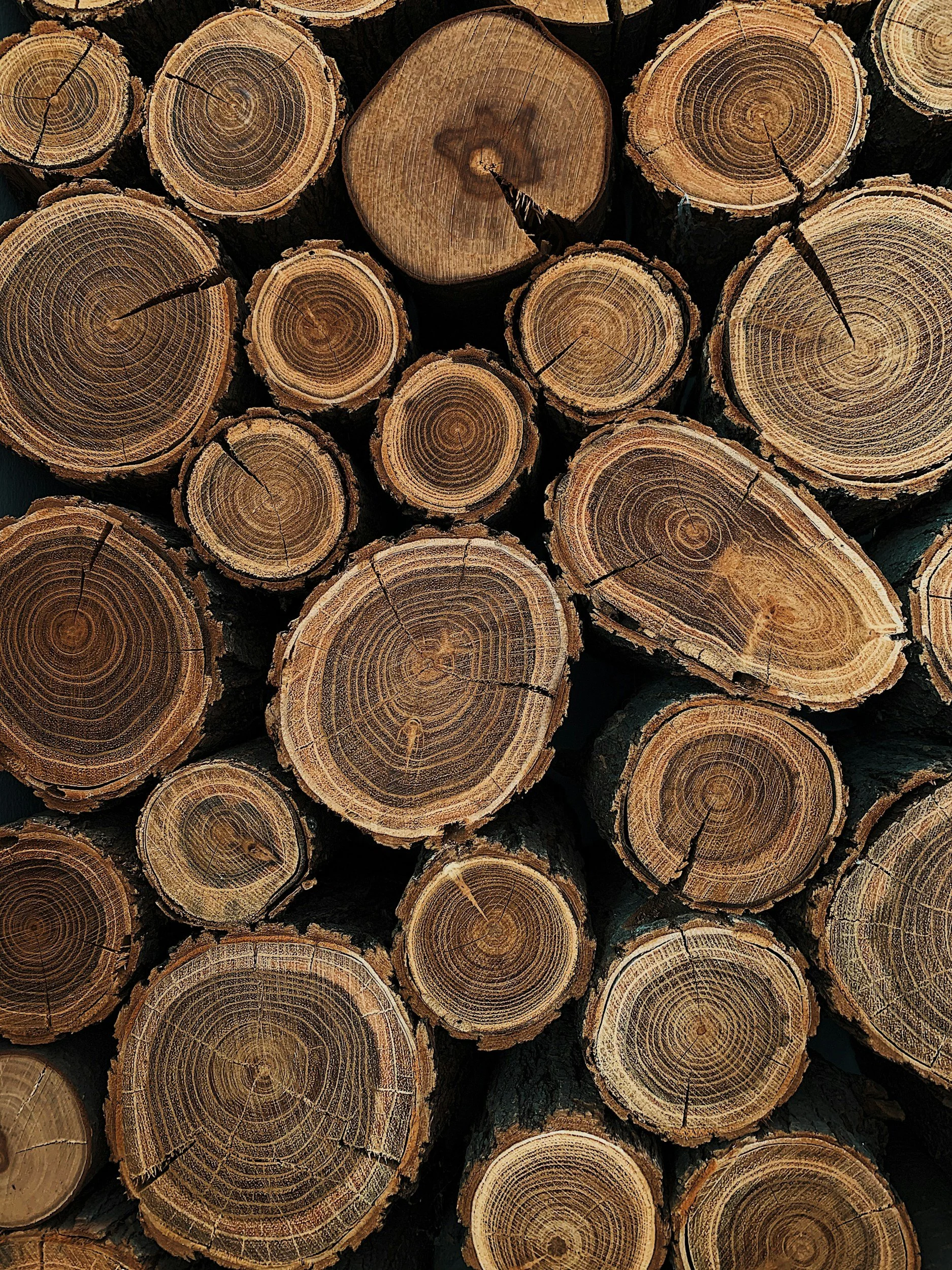
Not all wood is created equal — especially in the kitchen. The wrong wood warps, cracks, splinters, or absorbs so much moisture it becomes a breeding ground for bacteria. The right wood lasts for years, stays smooth, and gets better with use.
If you've ever wondered why some wooden spoons hold up beautifully while others fall apart after a few months, the answer usually starts with the species of wood. Here's a practical guide to the best wood types for kitchen utensils, what makes each one well-suited to the job, and what to avoid.
What Makes a Wood Good for Kitchen Use?
Before getting into specific species, it helps to understand what properties matter in a kitchen utensil:
Hardness. Harder woods are denser, less porous, and more resistant to moisture absorption. They're also less likely to splinter or gouge under regular use. The Janka hardness scale is a useful reference — the higher the rating, the harder the wood.
Grain density. Tight, close-grained woods have smaller pores, which means less surface area for water and bacteria to penetrate. Open-grained woods (like oak) can trap food particles and moisture in ways that tight-grained woods don't.
Natural resistance. Some woods contain natural oils, tannins, or resins that help resist moisture and microbial growth. This is part of why certain hardwoods have been preferred for kitchen use across cultures and centuries.
Flavor neutrality. A kitchen utensil shouldn't impart any taste to your food. The best woods for kitchen use are essentially flavorless once dried and finished.
With those criteria in mind, here are the woods that consistently perform best.
The Best Woods for Kitchen Utensils
Maple
Maple is arguably the gold standard for kitchen utensils — and for good reason. Hard maple (also called sugar maple or rock maple) has a Janka hardness rating of 1,450 lbf, making it one of the densest domestic hardwoods available. Its grain is exceptionally tight and uniform, which means a smooth surface that resists moisture penetration and is easy to keep clean.
Maple is also light in color, which some cooks prefer — it doesn't show staining as readily as lighter woods, and its neutral appearance works in any kitchen. It's the same wood used for butcher blocks and cutting boards for these exact reasons.
At Carved Wooden Spoons, maple is one of our primary woods. Sustainably harvested from New England forests, it's a wood we know and trust for its performance and durability.
Best for: Everyday spoons, spatulas, mixing tools, and any utensil that will see heavy, regular use.
Cherry
American black cherry is a beautiful wood with a warm, reddish-brown tone that deepens over time with exposure to light and use. It's slightly softer than hard maple (Janka rating around 950 lbf), but still well within the hardwood range for kitchen use. Its grain is fine and consistent, and it finishes to an exceptionally smooth surface.
Cherry has a natural luster that makes it one of the most visually striking woods in the kitchen. It's also a pleasure to work with — it shapes and carves cleanly, which allows for more refined utensil forms.
One thing worth noting: cherry can darken significantly over time, which many people find adds to its character rather than diminishing it.
Best for: Serving spoons, salad utensils, and pieces where appearance matters as much as function.
Walnut
Black walnut is a premium hardwood with a rich, dark brown color and a straight, even grain. With a Janka rating around 1,010 lbf, it's comparable to cherry in hardness but has a distinctly different aesthetic — darker, more dramatic, and highly distinctive.
Walnut is naturally resistant to moisture and contains tannins that contribute to its durability. It's also one of the most beautiful domestic hardwoods, which is why it commands a premium in both furniture and kitchen tools.
The color contrast between walnut and lighter woods like maple makes it a popular choice for pieces where appearance is part of the appeal.
Best for: Heavy-use cooking spoons, spatulas, and statement pieces where visual character is valued.
Birch
Yellow birch is a close relative of maple and shares many of its best qualities — tight grain, high hardness (Janka rating around 1,260 lbf), and a light, neutral color. It's slightly more prone to showing wear over time than hard maple, but remains an excellent kitchen wood and is particularly common in the Northeast.
Birch has been used for kitchen tools and utensils across Scandinavia and North America for generations. It's a reliable, honest wood that performs well without a lot of fuss.
Best for: Everyday utensils, particularly spoons and scrapers.
Beech
Beech is widely used in European kitchen tool manufacturing and for good reason — it's hard (Janka rating around 1,300 lbf), fine-grained, and accepts finishing well. It has a pale, slightly pink-toned color and a subtle grain pattern.
Beech is particularly common in professional kitchen environments. It's durable, consistent, and easy to work with at scale, which makes it a favorite for both handmade and quality production utensils.
Best for: A wide range of utensils, particularly spatulas and stirring spoons.
Woods to Avoid in the Kitchen
Not every beautiful wood is suitable for kitchen use. A few to steer clear of.
Softwoods (pine, cedar, fir). These are too porous and too soft for kitchen use. They absorb moisture readily, are prone to splintering, and break down quickly under regular washing. Cedar, while fragrant, can also impart flavor to food.
Open-grained hardwoods (oak, ash). Oak is a very hard wood, but its large, open grain is problematic in kitchen use — it can trap food particles and is harder to clean thoroughly. Ash has similar issues.
Exotic or tropical woods with unknown properties. Some imported wooden utensils are made from tropical species that aren't well documented for food safety. Unknown resins or compounds in unfamiliar woods can be a concern. Stick with species that have a long track record in kitchen use.
Dyed or heavily finished woods. Some utensils are stained or coated with finishes that aren't food-safe. A quality kitchen utensil should be finished with food-safe oil or wax, not lacquer or paint.
Does It Matter Where the Wood Comes From?
Increasingly, yes! — for both quality and environmental reasons.
Wood sourced from well-managed forests is harvested in ways that maintain ecosystem health and ensure future supply. For New England hardwoods like maple, cherry, and birch, responsible forestry practices are well established and traceable.
Imported wood, by contrast, is harder to verify. The supply chain is longer, the sourcing practices are less transparent, and the environmental cost of shipping is higher. There's also the question of what species you're actually getting — some imported utensils are made from woods labeled generically, without clear identification of the species.
At Carved Wooden Spoons, we source all our wood from New England. We know where it comes from and how it was managed.
The Bottom Line
For kitchen utensils, the best woods share a few key traits: hardness, tight grain, moisture resistance, and flavor neutrality. Maple, cherry, walnut, birch, and beech all fit that profile and have long track records in the kitchen. Softwoods and open-grained hardwoods don't — and the difference in performance shows up quickly with regular use.
The wood your utensils are made from isn't a minor detail. It's the foundation of how well they'll perform, how long they'll last, and how safe they'll be in your kitchen.
At Carved Wooden Spoons, every piece is handmade in Brunswick, Maine from sustainably sourced New England hardwoods — primarily maple and cherry. Built to last, shaped by hand, and ready for daily use. Shop the collection.